Lifestyle
Profiteering or Prudent Pricing? The Food Industry's Balancing Act Amid Inflation
As inflation soared to unprecedented heights in 2022, the food industry found itself at the center of a complex debate. While consumers grappled with rising prices at the grocery store and in restaurants, many companies in the sector reported staggering profit margins. This in-depth exploration delves into the nuances of the food industry's pricing strategies, the factors driving their decisions, and the broader implications for the economy and consumers.Navigating the Inflationary Landscape: Food Corporations' Profit Surge
Chipotle's Pricing Power and the Broader Industry Trends
As inflation reached its peak in mid-2022, Chipotle, the popular fast-casual restaurant chain, found itself in the spotlight. The company's decision to maintain high prices, even as its own costs began to fall, helped boost its profits by a remarkable 110% in recent years. Chipotle's executives proudly boasted to investors that they had raised prices higher than the actual inflationary costs, a strategy that has become increasingly common across the food industry.A comprehensive analysis of financial documents and earnings call transcripts from 36 top U.S. food corporations reveals a broader trend. While consumers are feeling the pinch of high prices at restaurants and supermarkets, many of the companies producing and selling these products are thriving. The data shows that the median net profits of these companies have jumped by 51% since just before the pandemic, with some experiencing a staggering 950% increase in profits.The Chicken Wing Conundrum: How Prices Remained High Despite Falling Costs
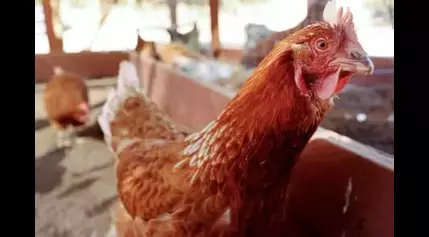
The case of chicken wings provides a prime example of how the food industry has managed to maintain high prices and boost profits, even as their own costs have declined. In August 2021, producers like Tyson cited inflation as the reason for a 71% increase in the wholesale price of chicken wings sold to restaurants, with the national average nearing .40 per pound.During this period, Tyson's profits jumped by 115%. The price hike reverberated across the industry, leading to a 10% menu price increase at WingStop, a popular wing-focused restaurant chain. However, by early 2022, wing prices had collapsed, with WingStop's CEO revealing that the company was paying about less per pound for wings due to "meaningful deflation."Despite the significant drop in their costs, WingStop never passed on these savings to their customers. Instead, the company has continued to increase prices by up to 4% annually, and even more in certain regions. Executives have made it clear that these price hikes will continue, citing the need to maintain profit margins. As a result, WingStop's profits have skyrocketed by over 222% since inflation's peak, driven primarily by these price increases.The Commodity Producers' "Golden Opportunity"
The high prices consumers are paying today can be largely traced back to the producers of basic commodities, such as meat, grains, eggs, and oil. These companies, some of which are household names and others that operate more behind the scenes, have seized upon supply chain disruptions and other factors to justify significant price increases.In the case of egg prices, for example, the nation's largest egg producer, Cal-Maine, attributed a 280% price hike to an avian flu outbreak, even though its own birds never contracted the virus. This price gouging, as some economists and federal agencies have described it, allowed Cal-Maine to boost its profits by a staggering 950% around this time.Similarly, beef producers have cited a 2019 fire at a cattle slaughterhouse as justification for high prices, even though the USDA found that cattle production had actually increased in the weeks following the incident. These commodity companies, which often control a significant portion of their respective markets, have been able to coordinate higher prices, taking advantage of the supply chain disruptions to maximize their profits.Shrinkflation and Skimpflation: Sophisticated Pricing Strategies
As the food industry grapples with rising costs, companies have become increasingly sophisticated in their pricing strategies. One tactic, known as "shrinkflation," involves reducing the size or quantity of a product without lowering the price. Snack giant Mondelez International, for example, has reduced the size of Oreos and Ritz crackers, while also cutting the number of bars in Clif Bar multipacks, all while maintaining or even increasing the prices.Another strategy, dubbed "skimpflation," involves substituting cheaper ingredients, such as using water instead of oil in Wish Bone salad dressing. These tactics allow companies to maintain the appearance of a consistent product while quietly increasing their profit margins.Executives have openly acknowledged the use of these strategies, with Mondelez's CFO stating that the company is "very happy with the level of pricing we have taken so far" and promising more shrinkflation "to make sure that we hit those right price points."The Limits of Pricing Power: Balancing Profitability and Consumer Sentiment
While many food companies have been able to capitalize on the inflationary environment, there are signs that they may be reaching the limits of what consumers can bear. Some firms, such as Pepsi and Jack in the Box, have reported decreases in sales volumes, suggesting that they may have overstepped in their pricing strategies.Economists like Jean-Pierre Dubé of the University of Chicago Booth School of Business argue that companies were "opportunistic" in raising prices, but that consumers, flush with savings and stimulus checks during the COVID-19 pandemic, were initially able to absorb the hikes. However, as people start cutting back on discretionary spending, these companies' brands may suffer."I don't think companies can just print money and make profits opportunistically – eventually people will stop buying," Dubé said. "They were not profiteering, they were being very short-sighted, and as people start cutting cookies and other superfluous things out of their budget, those companies' brands are going to suffer."The food industry's pricing strategies have undoubtedly contributed to the broader inflationary pressures facing consumers. However, the nuances of this complex issue suggest that the industry's actions may be more complicated than simple profiteering. As the economic landscape continues to evolve, the food industry will need to strike a delicate balance between maintaining profitability and preserving consumer trust and loyalty.



















