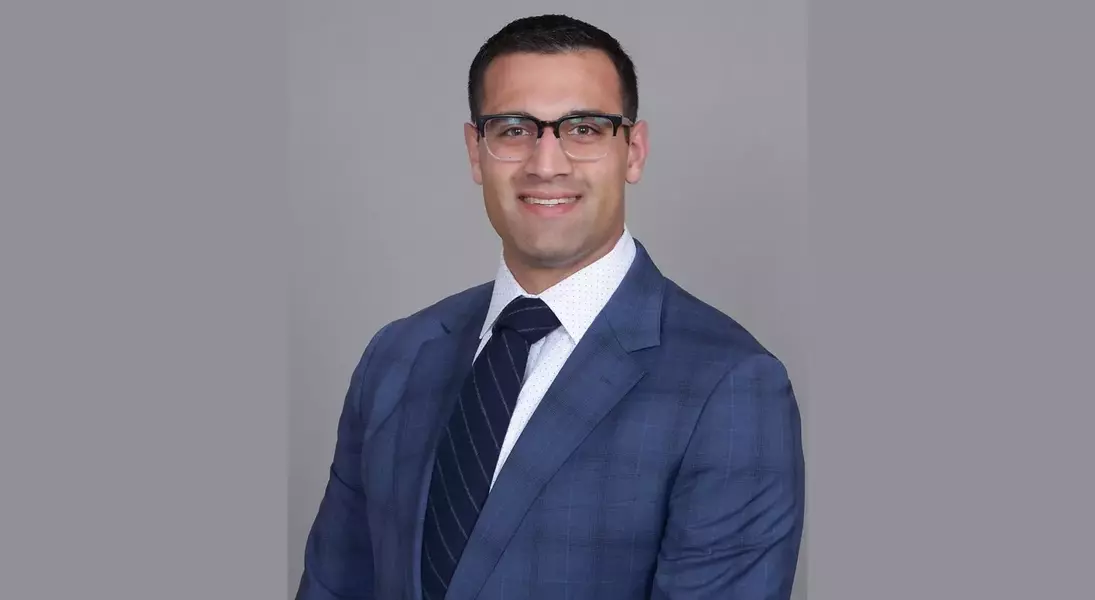
A paradigm shift in breast cancer treatment for older women is underway, spearheaded by Dr. Neil Carleton, whose groundbreaking work challenges the conventional "age-agnostic" approach. Historically, a significant portion of breast cancer patients are aged 65 or older, yet clinical trials often exclude them, leading to a gap in understanding how treatments affect this demographic. Dr. Carleton, a cancer biologist and resident physician, advocates for and implements personalized therapies that account for the distinct ways breast cancer manifests and progresses in older individuals, aiming to enhance treatment efficacy while minimizing unnecessary interventions.
The journey towards more refined breast cancer care for older women began with the stark reality that nearly half of all breast cancer diagnoses occur in individuals over 65. Despite this demographic trend, older women have been consistently underrepresented in clinical trials, resulting in a limited evidence base for their specific treatment needs. Dr. Neil Carleton, a distinguished STAT Wunderkind, recognized this disparity and dedicated his M.D.-Ph.D. research to understanding how tumor biology and treatment responses differ with age. His findings indicate that breast tumors can behave uniquely in older patients due to factors like hormonal shifts and systemic inflammation, challenging the long-held notion of uniform treatment protocols.
One of Carleton's most impactful innovations is the development and implementation of a digital "nudge" within electronic health records. This system prompts surgeons to reconsider sentinel lymph node biopsies for women aged 70 or older with early-stage cancer, aligning with professional guidelines that suggest such biopsies may be unnecessary and burdensome for this group. Despite existing recommendations, earlier studies showed that a significant percentage of these patients continued to undergo the procedure. Following the introduction of Carleton's digital alert, biopsy rates notably decreased by almost 50% in participating clinics, demonstrating the power of simple, targeted interventions to influence clinical practice and improve patient care.
Beyond optimizing surgical approaches, Carleton's research delves into the molecular intricacies of breast cancer in older women. He investigated a long-standing paradox: why estrogen-receptor positive (ER+) breast cancers, prevalent in postmenopausal women with lower systemic estrogen, continue to flourish. His team discovered an enzyme crucial for converting a weaker form of estrogen into a more potent variant within the tumor microenvironment. This discovery not only provides a mechanistic insight into tumor growth but also identifies a potential druggable target. Inhibiting this enzyme could offer new therapeutic avenues, possibly via less invasive methods like gels or patches, with fewer side effects compared to current treatments, which often cause debilitating fatigue and joint pain.
Furthermore, Carleton observed that some older patients, particularly those aged 70 and above, chose to forgo surgery for their primary tumor, relying instead on endocrine therapy. Astonishingly, his analysis showed that only 3% of these patients succumbed to breast cancer after six years, with approximately 91% achieving tumor control. This revelation highlights the potential for less aggressive treatments to be equally effective in carefully selected patients. To further refine this approach, Carleton explored the use of circulating tumor DNA (ctDNA) as a non-invasive tool to monitor disease progression. In a pioneering clinical trial, he demonstrated that detectable ctDNA levels after six months of endocrine therapy strongly correlated with disease progression, offering a promising biomarker for identifying patients who may benefit from reduced or altered interventions.
This evolving understanding of age-specific breast cancer characteristics and treatment responses is poised to transform patient management. Dr. Carleton's persistent efforts in both research and clinical application are paving the way for a future where breast cancer in older women is treated with greater precision and compassion, potentially transitioning it into a more manageable chronic condition. His commitment to scrutinizing clinical data and exploring innovative solutions ensures that medical decisions are driven by biology and individual patient needs, ultimately leading to improved quality of life and outcomes.



















